3 Current Travel Scams (and How to Avoid Them)
With travel demand still going strong, scammers are getting more creative. And unfortunately, they’re targeting travelers when they’re busy, distracted, or stressed (like during a flight disruption or right before a big trip).
Here are three scams to be aware of right now, plus exactly how to protect yourself.

1. The "Fake Airline Customer Service" Scam
How it works: You Google an airline’s number (or post online that your flight is delayed/canceled), and scammers steer you to a fake customer service line or DM you pretending to help. In some cases, they’ll “rebook” you by accessing your reservation—and may even drain miles/points or collect payment/card details.
How to avoid it:
Don’t trust phone numbers in ads or random search results. Go straight to the airline’s official website/app for contact info.
If someone DMs you offering help, don’t engage. Airlines don’t typically handle sensitive rebooking through unsolicited messages.
Never share login codes, one-time passwords, or full payment info with someone who contacted you first.
Pro tip: If you’re in a pinch during a disruption, open the airline app first (it’s usually the safest path to real support).

2. The "Hotel Confirmation" Text/Email Scam
How it works: You receive a text or email that looks like a legitimate hotel/booking confirmation (often with real-sounding details). It pushes you to “confirm” a card or “fix” a payment issue. This then leads you to a phishing page designed to steal your info. This has been linked to large-scale campaigns using fake hotel domains and convincing “reservation” messaging.
How to avoid it:
Don’t click links from unexpected messages. Instead, navigate to the hotel/brand site yourself (type it in) or open the booking app you used.
If a message says there’s a problem with payment, call the hotel using the number from the official website (not the message).
Be skeptical of urgency: “Your reservation will be canceled in 30 minutes” is a common pressure tactic.
Pro tip: If you booked with me, just forward the message. I’m happy to help you verify what’s real and what’s not

3. The "Fake Visa/eTA/ETA Application Website" Scam
How it works: Scammers create lookalike websites for travel authorizations (like eTA/ETA-style entry requirements) and charge inflated fees while collecting passport and personal data. This has been a growing issue as more destinations roll out or expand electronic travel authorization processes.
How to avoid it:
Apply only through the official government site (not a sponsored ad or third-party site that “looks official”).
Watch for inflated pricing and vague branding. Government sites are usually clear about the official fee and process.
If you’re unsure what you actually need for your destination (or which site is official), ask before you pay.
Pro tip: If your trip involves international entry requirements, I can point you to the correct official resources so you don’t accidentally land on the wrong site.
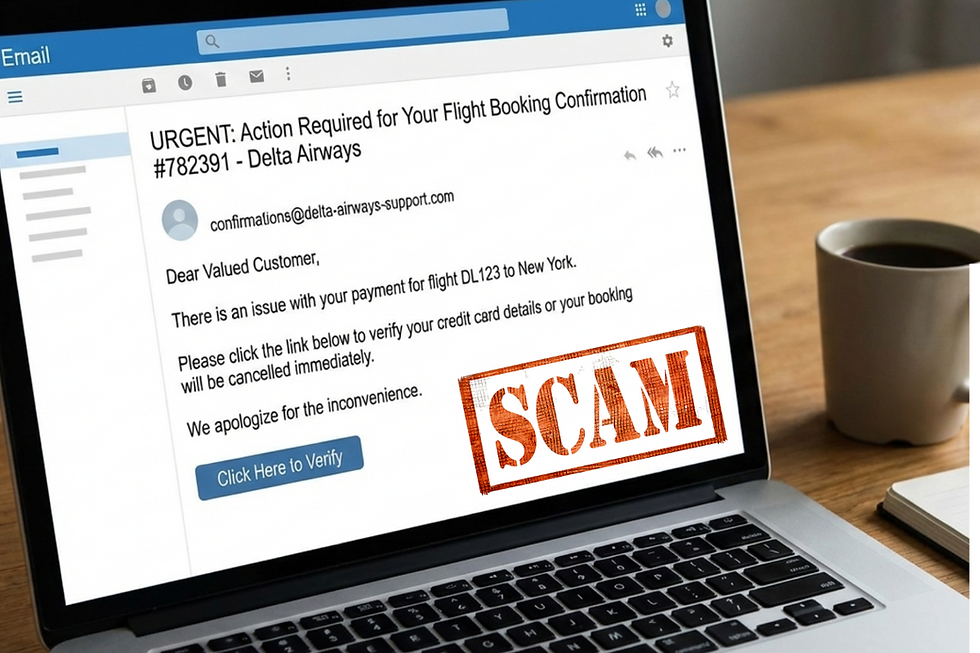
A simple rule that prevents most scams
If you feel rushed, pressured, or panicky, pause. Take 60 seconds and go directly to the official app/website or reach out to someone you trust.
I’m always glad to help you double-check the details so your travel plans stay exciting for the right reasons.


Comments